RBI ने रेपो रेट 5.25% पर बरकरार रखा, वैश्विक अनिश्चितता के बीच तटस्थ रुख जारी
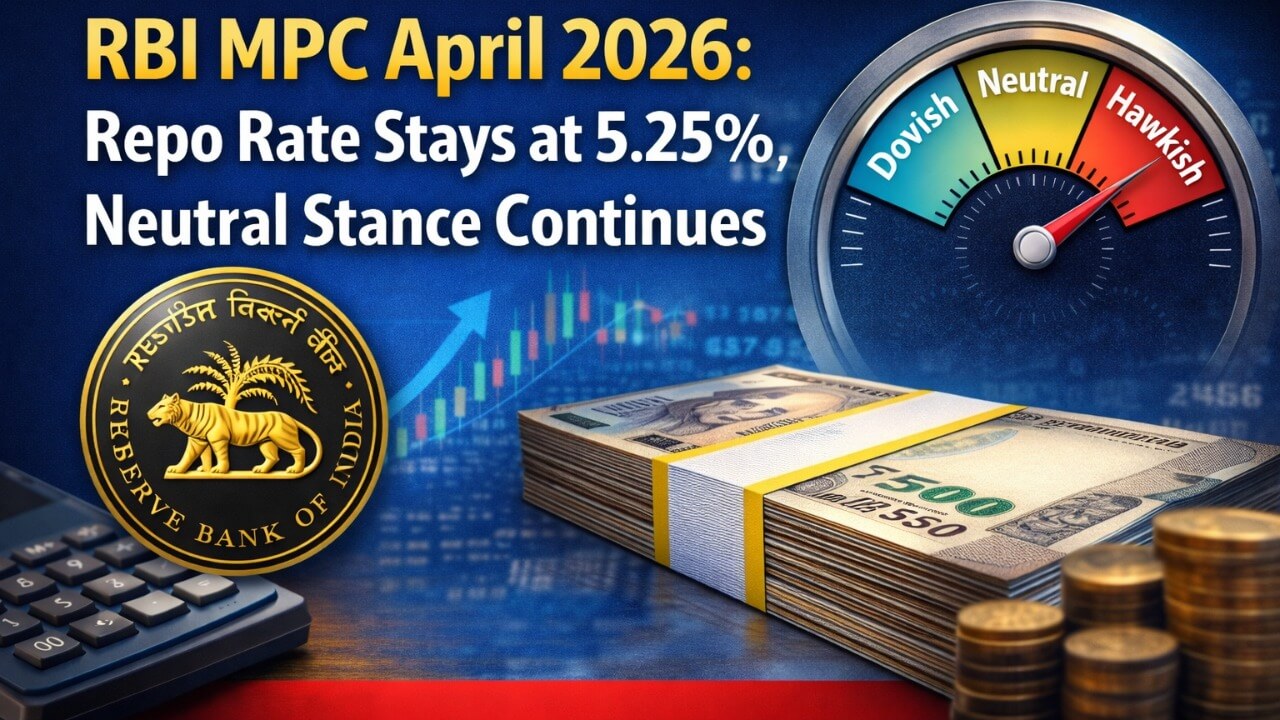
The Reserve Bank of India (RBI) concluded its April 2026 Monetary Policy Committee (MPC) meeting on April 8, keeping the policy repo rate unchanged at 5.25%. The Standing Deposit Facility (SDF) rate also remained at 5%, while the Marginal Standing Facility (MSF) rate and bank rate stayed at 5% as well.
RBI Governor Sanjay Malhotra, announcing the decision, said the MPC met on April 6, 7, and briefly on the morning of April 8 to deliberate on current macroeconomic conditions and the interest rate outlook. The committee's decision to hold was unanimous, reflecting a broad consensus that the current rate level is appropriate given the balance of risks.
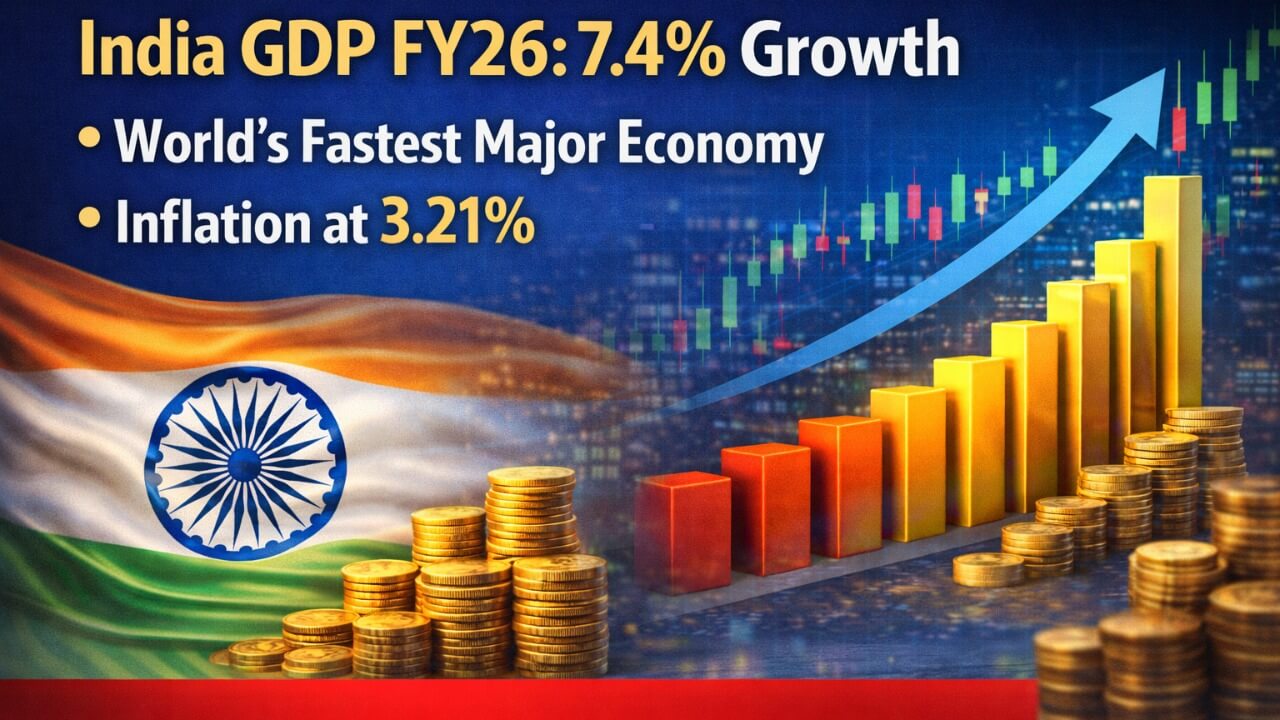
India's economic fundamentals remain solid. GDP growth stands at 7.4% for FY26, making India the fastest-growing major economy in the world. Consumer Price Inflation (CPI) is at 3.21%, comfortably below the RBI's 4% medium-term target. This healthy macro backdrop allowed the MPC to maintain its neutral stance without the urgency to either cut or hike rates.
However, Governor Malhotra flagged concerns about external risks. Disruptions in global energy markets, particularly from the West Asia conflict and the Strait of Hormuz crisis, could push oil prices higher and feed into domestic inflation through fuel and fertiliser prices. He specifically mentioned that global energy and fertiliser market disruptions may adversely impact India's fiscal deficit if oil import costs rise significantly.
Since early 2025, the RBI has delivered a cumulative 125 basis points of rate cuts, creating a supportive monetary environment. However, the central bank indicated that further cuts will depend on the inflation trajectory and global developments. The neutral stance signals neither an imminent cut nor a hike, giving the MPC flexibility to respond to evolving conditions.
Markets reacted positively to the neutral stance, interpreting it as a sign that the RBI is vigilant but not alarmed. The Nifty extended gains post-announcement, with rate-sensitive banking and real estate stocks rising.