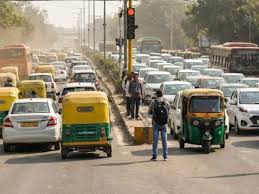
Delhi's Traffic Woes: 62 Choke Points Identified
The Delhi government has identified 62 chronic traffic choke points that significantly contribute to the city's pollution. These congestion hotspots stretch across various districts, including Bhavbhuti Marg near the New Delhi Railway Station and Madhuban Chowk in northwest Delhi. The situation worsens during peak hours, where severe jams are common, notably at locations like Safdarjung Hospital and Ajmeri Gate.
In response, Environment Minister Manjinder Singh Sirsa announced that the government has begun implementing short-term measures at these sites, with plans for medium- and long-term solutions in place. The strategy aims to integrate congestion management into the broader anti-pollution efforts of the city.
The identified choke points reveal recurring issues such as narrow roads, illegal parking, and poorly designed intersections. For instance, at Boulevard Road near Tis Hazari, the presence of advocate cars often blocks traffic, leading to hours of congestion. Similarly, ongoing construction in areas like Majnu Ka Tila exacerbates the traffic situation, particularly during weekends when the Tibetan market attracts many visitors.
Short-term interventions include deploying additional personnel during rush hours, enforcing traffic rules, and implementing quick engineering fixes, such as repainting lanes and repairing potholes. Officials have highlighted the importance of addressing these issues immediately to alleviate congestion.
The medium-term plan will focus on redesigning junctions, optimizing traffic signals, and improving signage. These changes aim to streamline traffic flow and enhance safety for pedestrians. Long-term solutions will involve widening roads, constructing foot overbridges, and introducing smart traffic systems to create a more efficient transport network.
Sunil Dahiya, founder of the environmental think-tank Envirocatalysts, emphasizes that while these measures are essential, the ultimate solution lies in investing in robust public transport and walkable pathways. Without significant investments in sustainable transport, managing congestion will only be a temporary fix.
As Delhi grapples with its traffic troubles, the government's multi-faceted approach could pave the way for a cleaner, more navigable city in the future.