Financial Planning Tips for FY26 Success
Comprehensive financial planning is crucial for anyone looking to secure their future. As the financial year 2025 (FY25) comes to a close, it’s time to reflect on your financial status and plan for FY26 and beyond. Start by preparing key financial statements: your net worth and cash flow. A net worth statement should include all your assets, such as real estate, vehicles, gold, and investments, while also listing any liabilities like loans and credit card debts.
Next, evaluate your emergency fund. Ideally, this fund should cover 3 to 6 months of your expenses. Check if your emergency fund has sufficient balance and replenish it if you withdrew any amount during the year. Maintaining a monthly budget is also beneficial. The 50:30:20 budgeting method is a simple way to allocate your income: 50% to needs, 30% to wants, and 20% to savings and investments.
As FY26 begins, your HR or Finance team will prompt you to declare investments for tax savings. Depending on your tax regime, it’s important to plan your taxes accordingly. Consulting a tax expert can help you navigate this process effectively.
If you have outstanding debts, compile a list detailing each loan's outstanding amount, EMI, and remaining tenure. This overview is essential for understanding your overall debt situation. Additionally, assess your short-term, medium-term, and long-term financial goals. Check your progress and add any new financial goals into your planning.
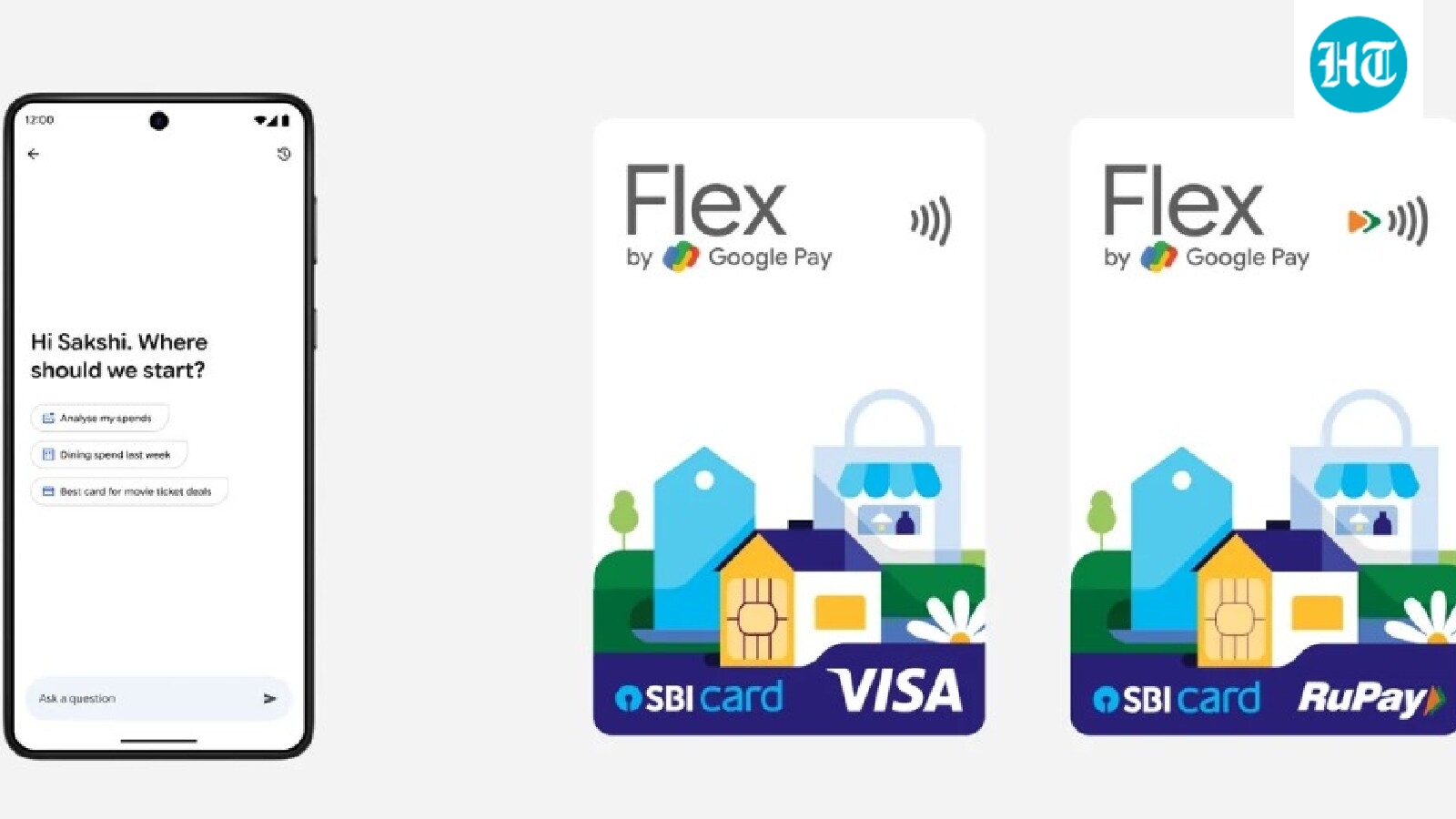
When used wisely, credit cards can offer benefits like discounts and rewards. However, be aware that many banks have made changes to their credit cards recently. Some cards have been devalued, while new ones with attractive features have been launched.
Lastly, ensure that your assets will be transferred smoothly to your beneficiaries. Check that all your financial products have nominations in place, and update them if necessary. Conducting an annual review at the end of each financial year helps evaluate your progress and plan for the next year. Regular reviews keep you aligned with your financial goals, bringing you closer to achieving them.