Iran Unrest: Protests, Plans to Flee, and U.S. Concerns
Iran is currently facing severe unrest, with protests erupting across the country due to economic hardships. According to reports, at least 35 people have lost their lives amid these demonstrations, which show no signs of slowing down. The Human Rights Activists News Agency (HRANA) has reported that over 1,200 individuals have been detained, reflecting the intensity of public frustration.
The protests have reached more than 250 locations across 27 of Iran's 31 provinces, indicating a widespread discontent. Demonstrators are expressing their anger over soaring inflation and the sharp devaluation of the Iranian rial, which has reportedly lost about 80% of its value against the U.S. dollar. This economic crisis has pushed many Iranians to the streets, demanding political change alongside economic relief.
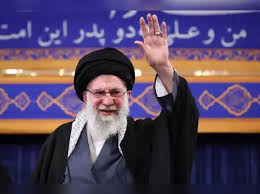
Amidst this unrest, Iran's Supreme Leader, Ayatollah Ali Khamenei, is reportedly considering a drastic 'Plan B' to flee to Russia if the situation escalates further. Intelligence sources claim that Khamenei, along with a small group of aides and family members, may attempt to escape Tehran should the military and security forces desert their posts.
In response to the protests, Khamenei has stated that "rioters must be put in their place," indicating a hardline stance against demonstrators. His comments reflect a determination to maintain control, even as public anger grows. The situation has caught the attention of international leaders, including U.S. President Donald Trump, who has warned Iran against violently suppressing peaceful protests, hinting at potential American intervention.
The unrest in Iran is reminiscent of previous protests, notably those triggered by the death of Mahsa Amini in 2022. While the current demonstrations have not yet reached the same level of intensity, they highlight ongoing tensions within the country. As the Iranian economy continues to struggle, with inflation rates soaring and basic goods becoming increasingly unaffordable, the potential for significant political change looms large.
In conclusion, the situation in Iran is evolving rapidly. The combination of economic despair and political discontent has created a volatile atmosphere, with the possibility of U.S. intervention adding another layer of complexity. Observers around the world are closely watching these developments, as they could have profound implications for Iran's future.