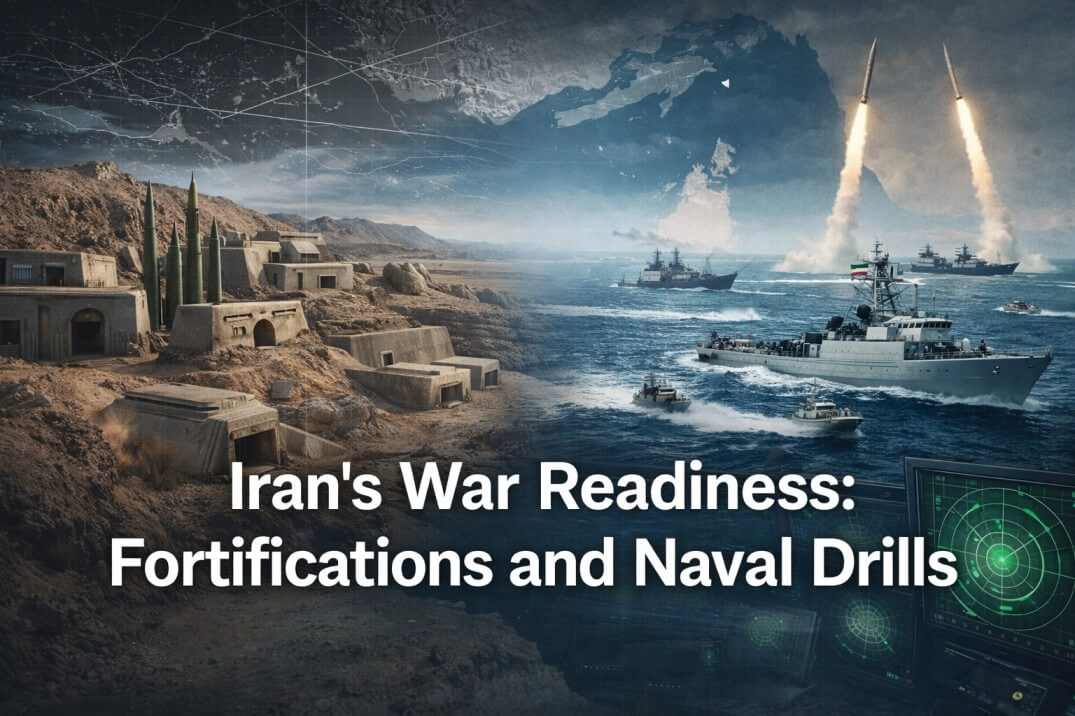
Iran's War Readiness: Fortifications and Naval Drills
The rising tensions between Iran and the United States are drawing global attention, especially in the context of regional security. Iran is stepping up its military preparations, which include fortifying its nuclear facilities and conducting naval drills in the strategically important Strait of Hormuz. These actions are perceived as a direct response to the increasing US military presence in the Middle East.
Recent satellite images indicate that Iran is not only reinforcing its existing military infrastructure but also rebuilding and enhancing its capabilities. For example, they have constructed a concrete shield over a new facility at a sensitive military site, indicating a proactive approach to potential threats. The images reveal that entrances to tunnels at nuclear sites have been buried, and missile bases that were previously struck have undergone significant repairs.
In addition to fortifying its military sites, Iran has been conducting naval exercises that demonstrate its readiness to assert control over vital waterways. The Strait of Hormuz is a crucial route for global oil exports, and Iran's military drills have included elements of electronic warfare, showcasing its capabilities to disrupt maritime traffic if necessary. Iranian officials have warned that they could close the strait in retaliation for any military action against them.
The appointment of Ali Shamkhani as the Secretary of Iran's Supreme Defense Council highlights the seriousness of these preparations. Shamkhani, a seasoned military figure, is tasked with strengthening defense strategies and countering perceived threats. His close ties with the Supreme Leader further emphasize the urgency of Iran's military posture.
As Iran enhances its defenses and demonstrates military readiness, the implications extend beyond regional stability. The potential for conflict could have significant repercussions on global energy markets, leading to fluctuations in oil prices. The international community is closely monitoring these developments, as the situation remains precarious.
In conclusion, Iran's recent actions indicate a firm commitment to safeguarding its national interests amid rising tensions with the US. The combination of military fortifications, naval exercises, and strategic appointments within the defense hierarchy suggests that Iran is preparing for a more aggressive stance, which could reshape the geopolitical landscape in the region.