
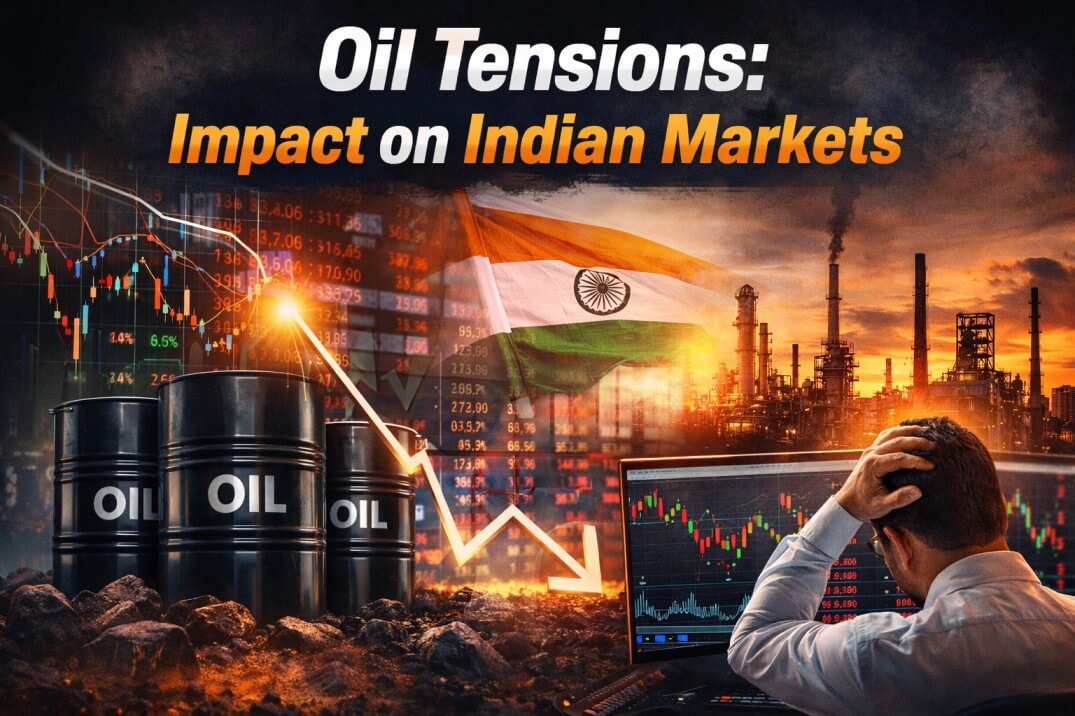
Oil Tensions: Impact on Indian Markets
The recent escalation of tensions in the Middle East is sending shockwaves through Indian markets, particularly as crude oil prices begin to rise. Following the joint strikes by the US and Israel on Iran, investors are faced with new uncertainties regarding the future of global oil supplies. As experts have pointed out, every $1 increase in crude oil prices can add an estimated $2 billion to India's annual import bill, putting further pressure on the country's trade balance.
India relies heavily on oil imports, with about 50% of its crude coming through the Strait of Hormuz. Any prolonged disruption in this key waterway could lead to significant economic consequences, including increased inflation and a wider current account deficit (CAD). While the Reserve Bank of India (RBI) may intervene to stabilize the rupee, the impact of higher oil prices on the economy remains a pressing concern.
In January and February 2026, there was a notable resurgence of foreign portfolio investors (FPIs) in Indian equities, with a net investment of ₹22,615 crore. This revival was largely attributed to a strengthening rupee and favorable trade agreements. However, the recent geopolitical tensions could disrupt this positive trend, leading to a more cautious investment environment.
The latest GDP data indicates a growth rate of 7.8% for the December quarter, despite challenges. However, foreign investors prioritize earnings growth and relative valuations over headline GDP figures. While the market has seen some earnings downgrades, the overall outlook remains mixed, with selective upgrades amid pricey valuations.
As tensions in the Middle East continue, the Indian market may shift from being driven by earnings growth to being influenced by oil prices and geopolitical risks. Sectors sensitive to oil prices, such as aviation and chemicals, could face margin pressures, while energy and defense sectors may see relative support.
In conclusion, the market’s pivot from discussions around AI and valuations to concerns about oil shocks and geopolitical risks could have lasting implications for investors. As the situation evolves, stakeholders will need to remain vigilant and adaptable to navigate the challenges posed by rising crude prices.







