Panic LPG Bookings: Government's Urgent Appeal
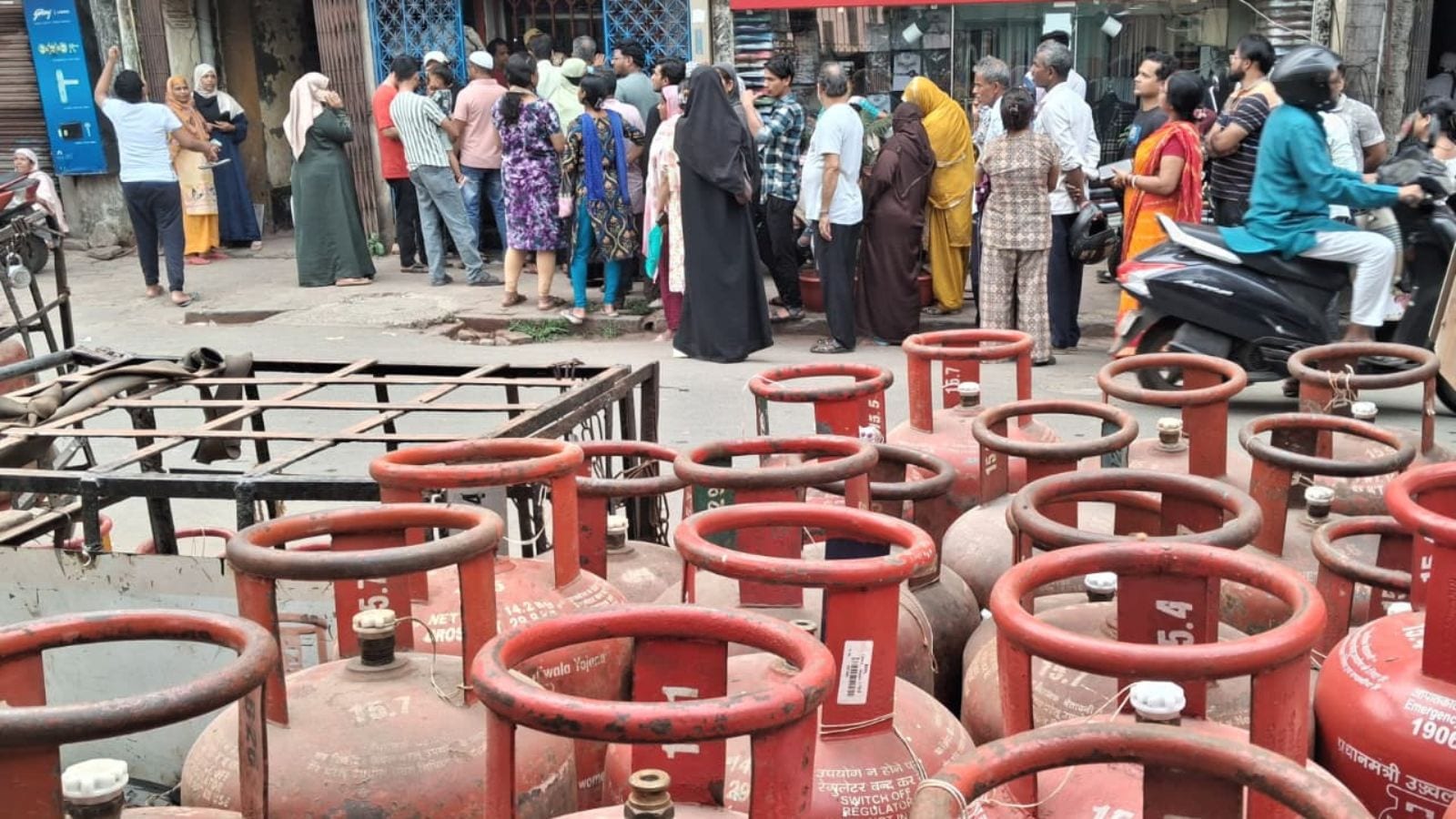
The surge in panic bookings for liquefied petroleum gas (LPG) has caught the attention of the Indian government, which is now urging consumers to book cylinders only when necessary. Recently, LPG bookings by households jumped significantly, rising by nearly 60% in just one day. This increase reflects a growing concern among consumers regarding the availability of LPG amidst disruptions in imports due to the ongoing conflict in West Asia.
According to officials from the Petroleum Ministry, the average daily bookings have increased from 55.7 lakh cylinders to 88.8 lakh in a matter of days. Despite the constraints in LPG imports, the government has assured that household consumers are being prioritized over commercial and industrial users. Measures have been put in place to ensure that domestic consumers do not face any inconvenience during this challenging time.
The conflict in West Asia has severely impacted India’s LPG imports, which rely heavily on this region for about 60% of its needs. With the Strait of Hormuz being a critical chokepoint, the halt in maritime traffic has rendered around 55% of India’s LPG consumption unavailable. In response, the government has taken proactive steps by maximizing local LPG production and diverting resources from petrochemical manufacturing to LPG production.
To manage the situation effectively, the waiting period between bookings has been extended. For urban areas, the waiting time has increased from 21 to 25 days, while in rural areas, it has risen to 45 days. This measure aims to discourage hoarding behavior and balance the supply-demand equation.
Moreover, the government has intensified action against hoarding and black marketing of LPG. Authorities are conducting surprise inspections and raids across various states to crack down on illegal activities. The cooperation between state governments and local administrations has led to significant enforcement actions, with many arrests and prosecutions already underway.
As the situation develops, citizens are encouraged to remain calm and avoid panic. The government has made it clear that LPG availability for households will be maintained. Digital platforms for booking LPG cylinders have been emphasized to minimize crowding at distribution centers. By utilizing these services, consumers can book cylinders conveniently from their homes, further easing the supply situation across the country.
In conclusion, the government’s commitment to ensuring LPG availability during this crisis is unwavering. By prioritizing household consumers and enhancing local production, it aims to navigate through the challenges posed by the current geopolitical climate while keeping the needs of the citizens in focus.