Race to the Future: Who Will Win the Robotaxi War?
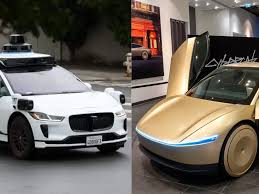
The race for robotaxis is heating up, with major players like Waymo and Tesla leading the charge. After years of development, self-driving cabs are now operational in several cities across America, providing paid rides and expanding their services rapidly. Waymo, with its fleet of 2,500 autonomous cars, is at the forefront, while Tesla is also making strides with its rudimentary robotaxi service.
Despite the excitement, many people remain skeptical about the safety of these vehicles. A recent survey revealed that a significant portion of the population has little trust in self-driving technology. However, user confidence is growing as more individuals experience these rides. Waymo reported reaching 1 million monthly active users recently, marking an 82% increase from the previous year.
The potential market for self-driving technology is enormous. Americans currently spend around $50 billion annually on ride-hailing services, and experts predict this market could surpass one trillion dollars. Companies like Uber and traditional automakers are also investing heavily in autonomous technology, hoping to capitalize on this growing market.
However, challenges such as high operational costs and regulatory hurdles remain significant barriers. Robotaxis currently cost about $7-9 per mile to operate, compared to $2-3 for traditional ride-hailing services. The need for expensive safety features and the costs associated with fleet management are contributing factors to these high expenses.
Building public trust is another crucial aspect for the success of robotaxis. Incidents involving accidents or lack of transparency can severely impact public perception. The industry is aware that proving the safety of self-driving vehicles is vital to gaining support from policymakers and consumers alike.
In India, the potential for robotaxis is promising. Urban areas are experiencing rapid growth in transportation needs, and autonomous vehicles could ease congestion and improve accessibility. However, regulatory environments and public acceptance will play pivotal roles in determining the pace of adoption.
As companies like Waymo and Tesla continue to innovate and refine their technologies, the future of urban transportation is on the brink of transformation. The winner of this robotaxi race could set a new standard for how we navigate our cities, both in India and around the world.