
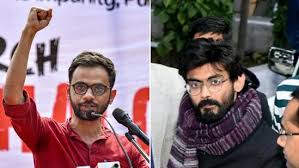
Supreme Court Verdict on Sharjeel Imam and Umar Khalid
The Supreme Court of India is preparing to deliver a significant verdict on the bail pleas of student activists Sharjeel Imam and Umar Khalid, alongside others involved in the Delhi riots of 2020. This decision is highly anticipated as these activists have spent over five years in custody, facing serious charges under the Unlawful Activities Prevention Act (UAPA).
The case revolves around the alleged conspiracy linked to the communal riots that erupted in Northeast Delhi in February 2020, during protests against the Citizenship Amendment Act (CAA). The violence resulted in the deaths of over 50 individuals and caused extensive damage to property.
Sharjeel Imam and Umar Khalid have consistently denied any wrongdoing. Their legal representatives argue that the delays in the trial process are due to the inefficiencies of the police and prosecution. They assert that there is a lack of concrete evidence linking the accused to the riots, raising concerns about the fairness of the judicial system.
The Delhi Police has opposed the bail pleas, claiming that the riots were not spontaneous but an orchestrated attack on India's sovereignty. They allege that the CAA protests were used as a cover for a planned conspiracy aimed at destabilizing the state. This perspective has led to a polarized debate about the nature of these protests and the implications for civil rights.
As the Supreme Court prepares to announce its verdict, there is a palpable tension surrounding the outcome. A favorable decision for the activists could signal a shift toward greater protection of civil liberties, while a denial could further entrench concerns about the treatment of dissent in India.
This case not only affects the lives of those involved but also resonates with broader issues in Indian society, including freedom of expression, the role of law enforcement, and the balance between security and civil rights. As the verdict approaches, many are watching closely, recognizing that it may set a precedent for future cases involving similar themes.
The Supreme Court's decision will be a crucial moment, not just for the activists but for the ongoing discourse about justice and equality in India.







