
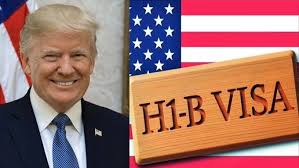
Trump’s Nuanced Take on H-1B Visas
Amid the ongoing debate surrounding H-1B visas, White House Press Secretary Karoline Leavitt has reiterated President Donald Trump’s nuanced stance. He aims to safeguard American jobs while simultaneously encouraging foreign investments in the United States. Leavitt emphasized that Trump's approach is both balanced and pragmatic, asserting that the President does not support the replacement of American workers.
Trump’s vision is to revitalize the American manufacturing sector, leveraging tariffs and favorable trade deals globally. When questioned about the scrutiny over H-1B visas, Leavitt explained that while foreign companies investing trillions of dollars in the U.S. are welcome, the ultimate goal is to ensure that American workers fill these roles.
Leavitt stated, “The President has been direct with foreign companies investing in the U.S.,” insisting they must prioritize hiring American workers. Trump's recent defense of the H-1B visa program reflects his acknowledgment of the need for skilled foreign labor, particularly in high-tech industries.
In a speech at the U.S.-Saudi Investment Forum, Trump countered criticism from his political base, arguing that the U.S. lacks sufficient domestic talent to operate advanced facilities. He highlighted the necessity of skilled foreign workers to train American employees before transitioning these roles.
Trump elaborated, “You can't just hire off the unemployment line to run a massive computer chip factory.” He stressed that investments in high-tech manufacturing require a workforce with specialized skills that are often not readily available in the U.S. His statements underline the ongoing talent gap in industries such as technology and manufacturing.
As some Republican leaders call for a reevaluation of the H-1B visa program, Trump maintains that this system is essential for sectors that rely on expertise beyond the immediate domestic supply. His comments reflect a complex balancing act between protecting American jobs and acknowledging the importance of foreign talent in driving economic growth.
Overall, Trump's nuanced stance on H-1B visas highlights the intricate relationship between foreign investments and the American workforce, suggesting that both play crucial roles in the nation’s economic future.







