U19 Asia Cup: Tensions Rise Between India and Pakistan
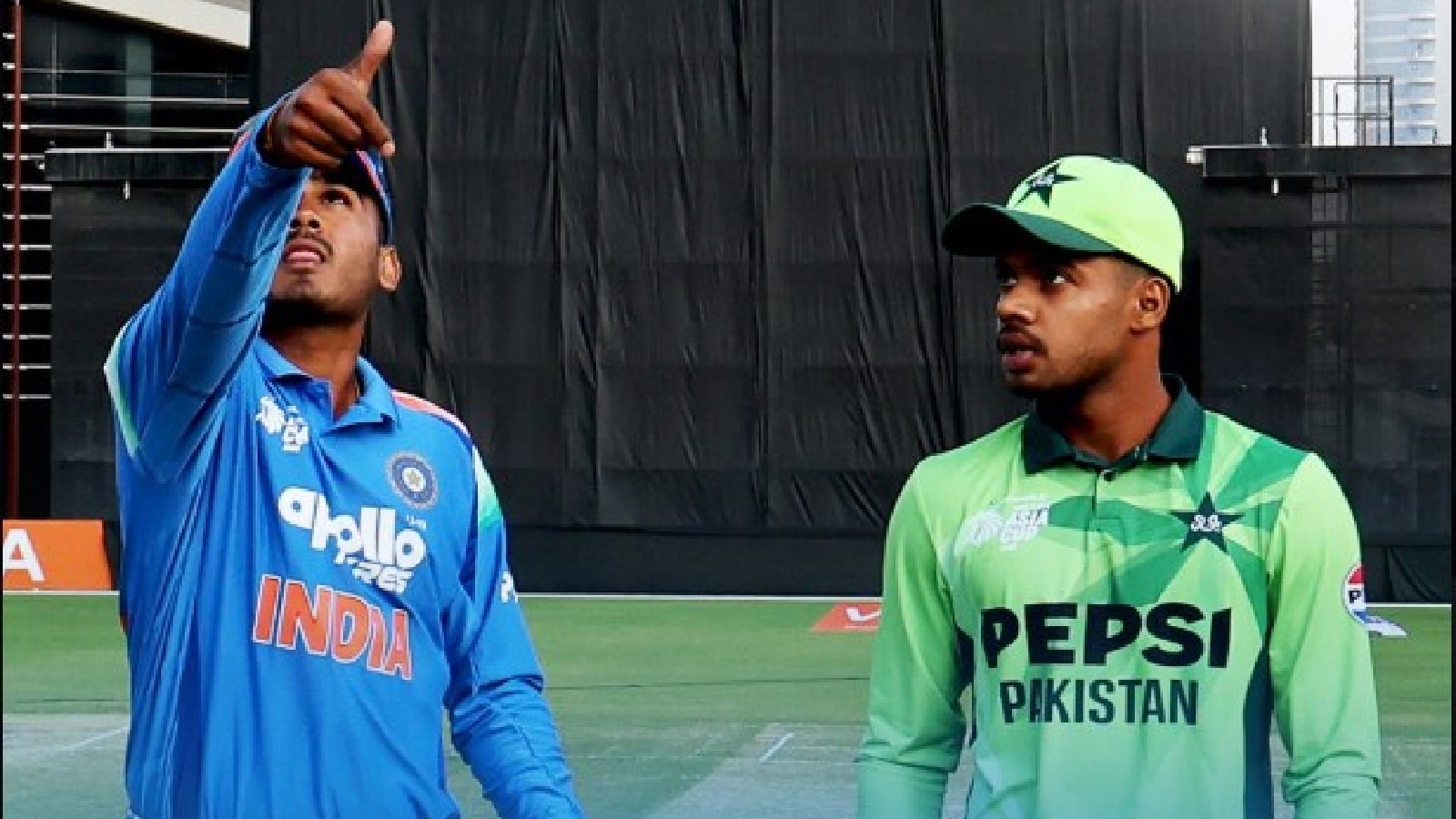
The ongoing Under-19 Asia Cup has amplified the tensions between India and Pakistan, particularly noticeable during the toss at the ICC Academy ground in Dubai. Both captains, Ayush Mhatre of India and Farhan Yousaf of Pakistan, chose to forgo the customary handshake, adhering to a policy that has emerged since the senior teams competed in the Asia Cup last September. This decision reflects the heightened political climate between the two countries following recent terror incidents.
The lack of a handshake is not an isolated incident. In the past, we have seen Indian captain Suryakumar Yadav refuse to shake hands with his Pakistani counterpart during the senior Asia Cup, which set a precedent for future encounters, including the ICC Women’s World Cup. With the spotlight on the junior teams, expectations were high, yet Mhatre and Yousaf maintained a distance, avoiding even eye contact during the toss.
After Yousaf won the toss and decided to field first, the tension was palpable. India faced a challenging start, losing their aggressive opener Vaibhav Suryavanshi early. However, Mhatre, along with Aaron George, steadied the innings. Despite a promising start, Mhatre could not capitalize on his momentum, but George showcased his skills, scoring a commendable 85 runs off 88 balls, which included 12 boundaries and six. This performance highlighted his potential amidst the pressure.
India's innings faced regular setbacks as the Pakistani bowlers struck at crucial intervals, making it difficult for the middle order to build substantial partnerships. Kanish Chouhan's quickfire 46 runs provided some stability, helping India to post a respectable total. The team had started the tournament on a high note with a massive 234-run victory over UAE in their first match, with Suryavanshi shining with a century.
This ongoing rivalry between India and Pakistan, especially in cricket, illustrates how sports can echo larger political and social tensions. As the Under-19 Asia Cup continues, the focus remains on the players’ performances and how they navigate the challenges both on and off the field.