India Rejects UN Report on Myanmar Refugees
India recently reacted strongly to a report by a UN expert regarding Myanmar refugees, particularly in light of the Pahalgam terror attack. The report claimed that these refugees were facing "intense pressure" following the incident, which took place on April 22. However, India firmly dismissed these observations as "biased and baseless."
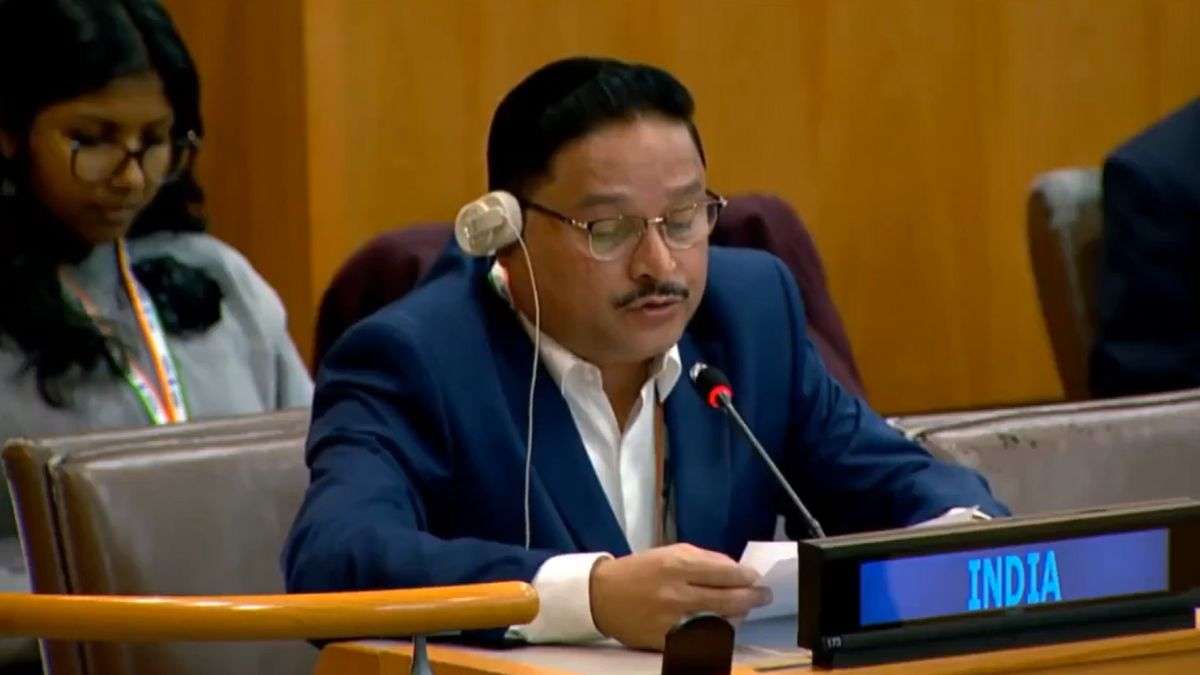
Member of Parliament Dilip Saikia represented India during an interactive dialogue at the UN General Assembly's Third Committee. He expressed serious objections to the claims made by UN Special Rapporteur on Human Rights in Myanmar, Thomas Andrews. According to Saikia, the report's conclusions were a narrow-minded analysis that mischaracterized the situation.
Saikia pointed out that no individuals from Myanmar were involved in the Pahalgam attack, highlighting the inaccuracy of the UN's claims. He stated, “I strongly denounce the biased approach adopted by the Special Rapporteur regarding the innocent civilian victims of the April 2025 terrorist attack.” His remarks emphasize the importance of accuracy and context in international reports.
The UN report also mentioned that refugees in India had faced issues such as summons, detention, and threats of deportation. In response, Saikia criticized these allegations as lacking factual support and urged the Special Rapporteur not to rely on unverified media reports that may misrepresent India.
Saikia reiterated India's commitment to a Myanmar-led peace process, stressing the necessity for inclusive political dialogue, an end to violence, and the restoration of democracy through credible elections. This reflects India's broader humanitarian approach towards dealing with refugee crises and its regional responsibilities.
Furthermore, the report raised concerns regarding India's detention and deportation of Rohingya refugees. The UN Special Rapporteur is awaiting a response from India on these actions. This ongoing situation illustrates the complexities of refugee dynamics in India and the challenges faced by the government in balancing security and humanitarian obligations.
In conclusion, India's strong response to the UN report highlights its commitment to a fair and factual representation of its actions and policies regarding refugees. As India navigates its role in regional geopolitics, it remains focused on supporting peace and stability in Myanmar while addressing its own security concerns.