The Trillion-Dollar Robotaxi Race Heats Up
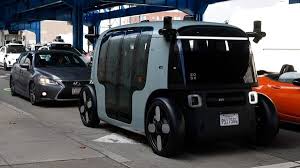
The race to dominate the robotaxi market is gaining momentum, with companies like Waymo and Tesla at the forefront. Over the past three decades, advancements in technology have made autonomous vehicles a reality, offering rides across several American cities. However, challenges such as public trust and regulatory hurdles still pose significant obstacles for these companies.
Waymo, owned by Alphabet, currently operates the largest fleet of robotaxis, with a focus on safety and advanced features. In contrast, Tesla is betting on a simpler approach with its robotaxi service, which still requires a human monitor. As these companies expand their services, the question remains: who will capture the lion's share of this emerging market?
Public perception plays a crucial role in the success of robotaxis. A recent survey indicated that many people still lack trust in self-driving vehicles, which is largely due to unfamiliarity with the technology. However, confidence increases significantly among those who have experienced a robotaxi ride. As more users come on board, the acceptance of this technology is expected to rise.
Despite the promise of robotaxis, many companies are still struggling to make their services profitable. Operating costs can be significantly higher than traditional ride-hailing services, primarily due to the expensive technology and safety features required for autonomous operation. Experts suggest it may take years before robotaxis can compete on price with human-driven vehicles.
As companies like Waymo and Tesla continue to innovate and refine their technologies, they are also exploring partnerships and alternative business models. This could include collaborations with traditional ride-hailing platforms like Uber, which is positioning itself to become the preferred booking service for robotaxis. The integration of these services could accelerate the adoption of self-driving technology.
Ultimately, the future of the robotaxi industry hinges on a combination of technological advancements, public acceptance, and regulatory frameworks. As the competition heats up, it will be fascinating to see who emerges as the leader in this trillion-dollar race.